_page-0001.jpg)
Ask ops teams why deliveries are late and costs keep creeping up and you’ll hear the usual villains:
“Fuel is crazy.” “Traffic is worse.” “Drivers take the scenic route.”
Look under the hood and you find a different culprit: time windows that were never realistic to begin with.
And then you’re shocked when drivers are late, overtime explodes, and NPS falls off a cliff.
In 2026, route optimization isn’t just “fastest path on a map.” It’s how you design, assign, and protect time windows. That’s the bit Syncnox cares about because that’s where most fleets quietly burn profit.
Time windows sound innocent:
“Just deliver here between 10 - 12. Easy, right?”
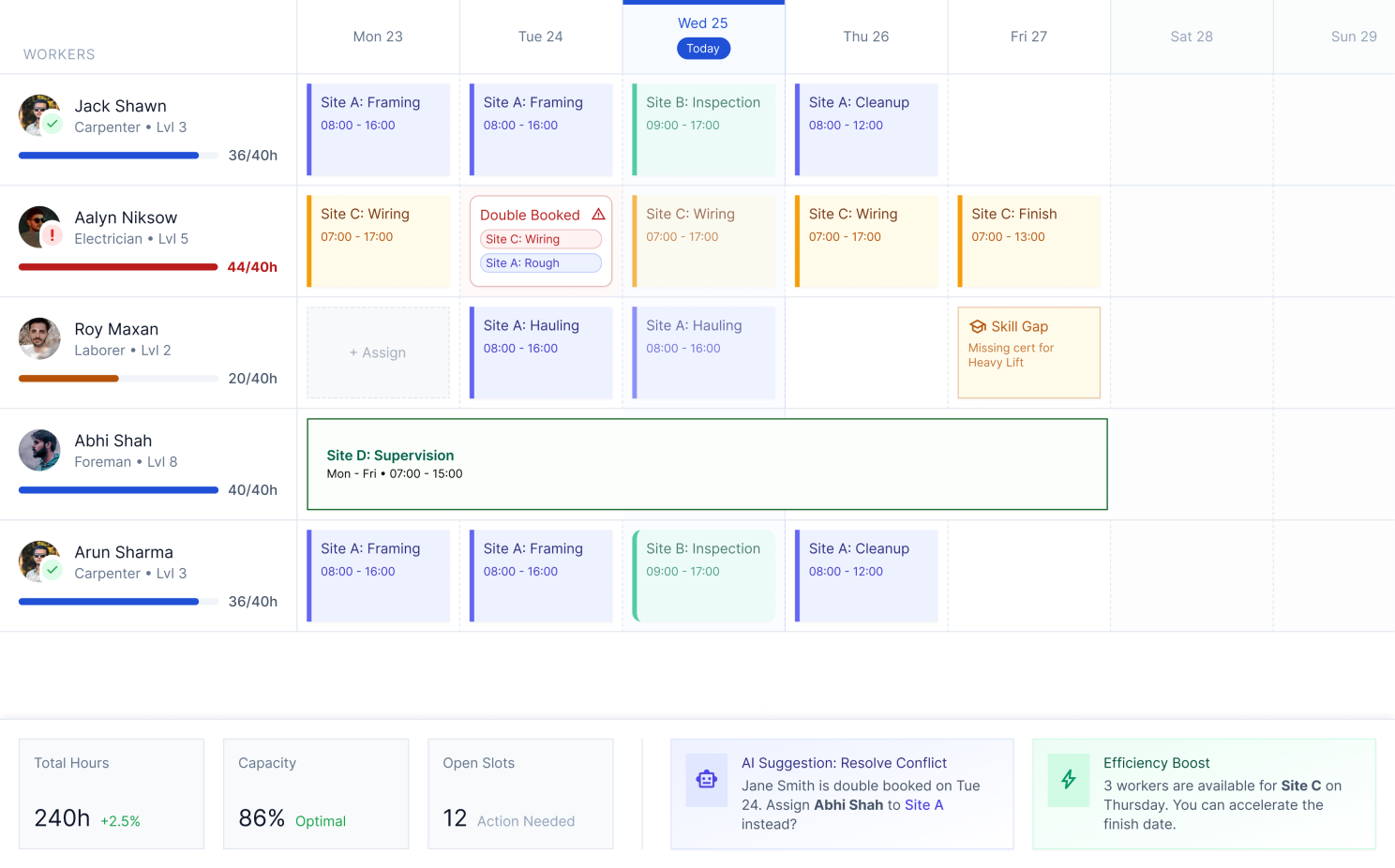
Not quite. They create a three way fight between customer promises, operational reality, and driver sanity.
1. Missed windows = redelivery roulette Late or failed deliveries mean second trips, penalty fees, refunds, and unhappy customers. Translation: you pay twice to do the same job once.
2. Overly tight windows = Swiss-cheese routes When half your orders are “10 - 11 only,” you get routes full of holes: drive, wait, rush, repeat. Distance goes up, idle time goes up, driver patience goes down.
3. Overly wide windows = “Sorry, not home” The classic 8 - 6 slot sounds flexible, but often means “we’ll show up when the customer nips out,” and you get another free tour of their neighbourhood tomorrow.
Research on VRP with Time Windows shows that bad time-slot design can push last‑mile costs up by double digits even if the actual distance doesn’t change much. So the problem isn’t your drivers. It’s your calendar.
You can put your best driver in the best van with the best navigation… If the schedule is broken, they’re just doing heroics inside a bad plan.
Typical patterns we see:
Dynamic, time aware routing consistently beats static plans in studies of urban delivery: performance drops by far less when the world inevitably changes. In other words: the map matters less than the schedule.
A time window smart system (what Syncnox aims to be for you) doesn’t treat windows as little notes in a margin. It treats them as hard math.
It will:
When fleets finally look at data around time windows, the same cost buckets show up:
All of that happens before you worry about shaving an extra kilometre off each route.
Traditional solvers can do VRPTW on paper. AI makes it work in the wild.
AI learns from historical traffic, area patterns, and real stop durations. So instead of assuming “every stop takes 5 minutes,” it knows this customer actually takes 14, that neighbourhood always jams at school run time, etc.
That means:
AI powered dynamic routing watches live GPS and status updates:
So instead of one bad incident wrecking the whole day, you contain the damage.
Research on demand management shows that if you change how you offer slots and which ones you nudge customers toward you can reduce peak overload and average cost per delivery.
AI helps by:
That’s not just route optimization. That’s commercial strategy shaped by ops reality.
For Syncnox, this is your sweet spot:
You’re not selling “yet another route planner.” You’re giving fleets a way to make fewer bad promises and keep more good ones.
Old way: “We’ll offer any time slot and hope.” Syncnox way: “We offer what we can hit. Then use AI to keep it.”
In short: Your drivers aren’t the problem. Your time windows are.
Fix the schedule, and suddenly your routes, drivers, and P&L all start behaving.
Want to see how your time windows are really impacting cost and on‑time delivery?Share your fleet size and typical daily stops with us at www.syncnox.com and we’ll run a free time‑window impact analysis showing exactly what better scheduling and AI routing could save you.
_page-0001.jpg)
Subscribe to stay on top of new product features, releases, use cases, video chats with experts and learning opportunities.
_page-0001.jpg)
How Dairy Operators can Cut Costs and Improve Freshness
_page-0001.jpg)
Problems hiding inside your field teams
.svg)
To connect with a product expert today, email us or call +44 07454961942.
.svg)